Cladding is a non-structural external layer applied to buildings to provide protection, thermal performance, and aesthetic definition. Although it does not typically carry primary structural loads, cladding plays a critical role in building envelope performance, durability, and long-term operational efficiency. In contemporary construction, it functions as both a technical system and a design instrument, bridging engineering requirements with architectural expression.
At its core, cladding acts as a protective barrier between the internal environment and external conditions. It shields the structural frame from moisture ingress, ultraviolet radiation, wind loads, and temperature fluctuations. Effective cladding systems are designed to manage water through principles such as rainscreen technology, where an outer skin deflects the majority of precipitation while a ventilated cavity allows drainage and evaporation. This layered approach significantly reduces the risk of condensation, mold growth, and structural degradation.
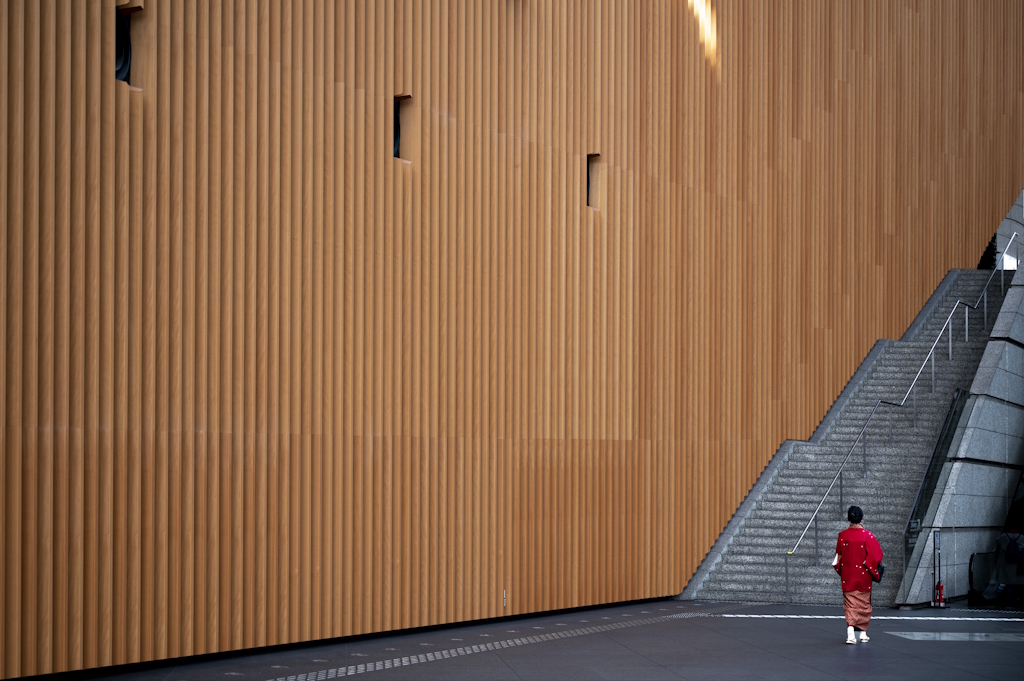
Material selection is central to cladding performance. Metal panels, including aluminum and steel, offer durability, recyclability, and clean architectural lines. Composite materials provide lightweight alternatives with enhanced insulation properties. Natural materials such as stone, brick, and timber deliver aesthetic warmth and contextual integration, though they may require more maintenance depending on exposure conditions. High-pressure laminates and fiber cement boards have also gained popularity due to their resistance to weathering and dimensional stability.
Thermal efficiency is a defining consideration in modern cladding systems. Insulated façade assemblies contribute significantly to a building’s overall energy performance by reducing thermal bridging and air leakage. Proper integration of vapor barriers, insulation layers, and airtight membranes is essential to achieving regulatory compliance and minimizing operational energy consumption. In high-performance buildings, façade systems are often engineered to meet stringent energy codes and sustainability certifications.
Fire safety has become a prominent concern in cladding design and regulation. The selection of materials with appropriate fire resistance ratings and limited combustibility is critical, particularly in multi-story and high-occupancy structures. Building codes increasingly require rigorous testing of façade assemblies, including their behavior under fire exposure. Compliance involves not only material specification but also correct installation detailing to prevent fire spread through cavities or insulation layers.
Acoustic performance is another technical dimension of cladding. In urban environments, façade systems can incorporate acoustic insulation to reduce external noise transmission. Layered systems with mass and damping properties are especially effective in mitigating sound penetration from traffic, industrial activity, or dense cityscapes.
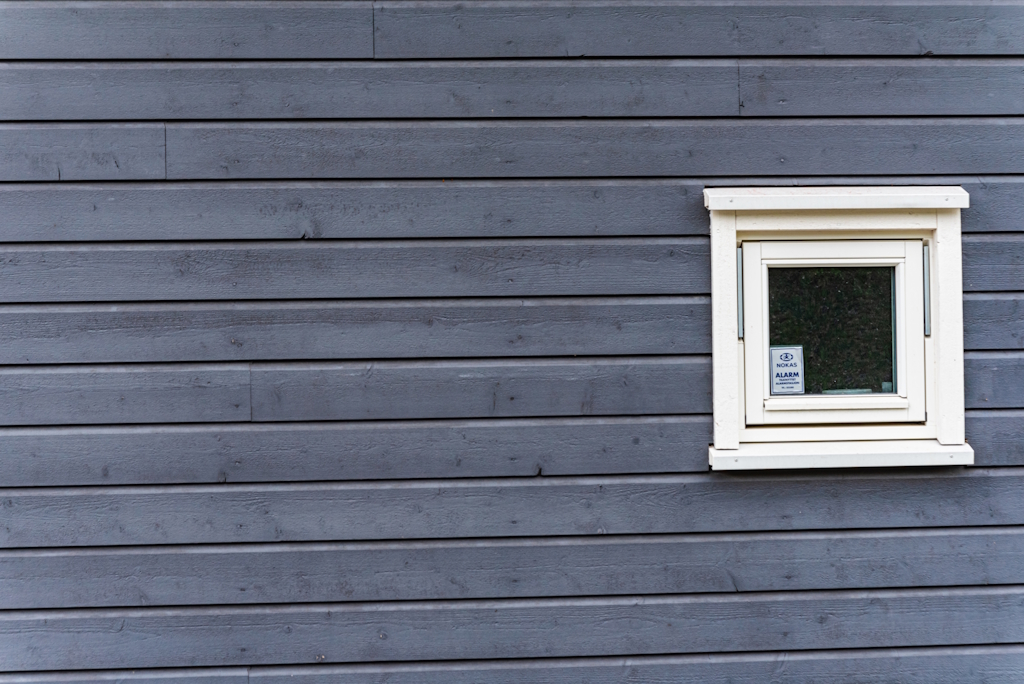
Installation quality directly influences long-term cladding performance. Accurate alignment, secure fixing systems, proper sealing of joints, and allowance for thermal expansion are essential to prevent panel distortion, water infiltration, or mechanical failure. Substructure design must account for wind loads, building movement, and differential expansion between materials. Poor installation can undermine even the most advanced cladding materials.
From an architectural standpoint, cladding defines a building’s visual identity. It determines texture, color, rhythm, and interaction with light. Contemporary façade engineering enables dynamic solutions, including perforated panels, kinetic elements, and integrated photovoltaic systems. These innovations transform cladding from a passive barrier into an active contributor to environmental performance and visual impact.
Sustainability considerations increasingly shape cladding strategies. Recyclable materials, low embodied carbon options, and systems designed for disassembly support circular construction principles. Life-cycle analysis is often conducted to evaluate environmental impact over the building’s lifespan, including maintenance and replacement cycles.
In essence, cladding is far more than an exterior finish. It is a technically sophisticated component of the building envelope that integrates protection, insulation, fire safety, acoustics, and architectural intent. When properly designed and installed, cladding enhances durability, energy efficiency, and aesthetic value, contributing significantly to the overall success and longevity of a structure.